Alabama allows Permitless Carry (permitless carry, at least 19 years old)
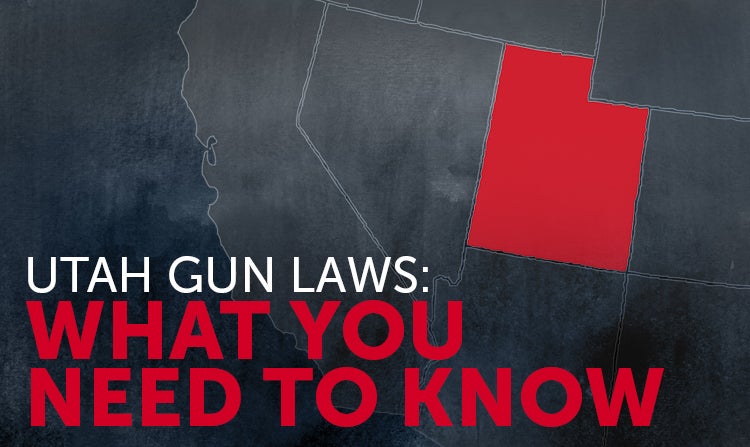
Utah allows Permitless Carry (permitless carry, at least 21 years old)
Note:
Firearms must be carried in accordance with the laws of the state you are visiting. Be sure to check the laws of the other state before traveling there with your firearms.
Permitless carry includes constitutional carry states as well as states where an individual must meet certain qualifications, e.g., no DUIs in the last 10 years, in order to legally carry (Tennessee). Each state determines the requirements and any limitations on the carry of firearms. Check each state’s page for more information and any restrictions that may apply.
Alaska allows Permitless Carry (permitless carry, at least 21 years old)
Utah allows Permitless Carry (permitless carry, at least 21 years old)
Note:
Firearms must be carried in accordance with the laws of the state you are visiting. Be sure to check the laws of the other state before traveling there with your firearms.
Permitless carry includes constitutional carry states as well as states where an individual must meet certain qualifications, e.g., no DUIs in the last 10 years, in order to legally carry (Tennessee). Each state determines the requirements and any limitations on the carry of firearms. Check each state’s page for more information and any restrictions that may apply.
Arizona allows Permitless Carry (permitless carry, at least 21 years old)
Utah allows Permitless Carry (permitless carry, at least 21 years old)
Note:
Firearms must be carried in accordance with the laws of the state you are visiting. Be sure to check the laws of the other state before traveling there with your firearms.
Permitless carry includes constitutional carry states as well as states where an individual must meet certain qualifications, e.g., no DUIs in the last 10 years, in order to legally carry (Tennessee). Each state determines the requirements and any limitations on the carry of firearms. Check each state’s page for more information and any restrictions that may apply.
Arkansas allows Permitless Carry (permitless carry, at least 18 years old)
Utah allows Permitless Carry (permitless carry, at least 21 years old)
Note:
Firearms must be carried in accordance with the laws of the state you are visiting. Be sure to check the laws of the other state before traveling there with your firearms.
Permitless carry includes constitutional carry states as well as states where an individual must meet certain qualifications, e.g., no DUIs in the last 10 years, in order to legally carry (Tennessee). Each state determines the requirements and any limitations on the carry of firearms. Check each state’s page for more information and any restrictions that may apply.
Note:
Firearms must be carried in accordance with the laws of the state you are visiting. Be sure to check the laws of the other state before traveling there with your firearms.
Permitless carry includes constitutional carry states as well as states where an individual must meet certain qualifications, e.g., no DUIs in the last 10 years, in order to legally carry (Tennessee). Each state determines the requirements and any limitations on the carry of firearms. Check each state’s page for more information and any restrictions that may apply.
Colorado Honors Utah with restrictions (at least 21 years old and resident permits only)
Utah allows Permitless Carry (permitless carry, at least 21 years old)
Note:
Firearms must be carried in accordance with the laws of the state you are visiting. Be sure to check the laws of the other state before traveling there with your firearms.
Permitless carry includes constitutional carry states as well as states where an individual must meet certain qualifications, e.g., no DUIs in the last 10 years, in order to legally carry (Tennessee). Each state determines the requirements and any limitations on the carry of firearms. Check each state’s page for more information and any restrictions that may apply.
Connecticut doesn't Honor Utah
Utah allows Permitless Carry (permitless carry, at least 21 years old)
Note:
Firearms must be carried in accordance with the laws of the state you are visiting. Be sure to check the laws of the other state before traveling there with your firearms.
Permitless carry includes constitutional carry states as well as states where an individual must meet certain qualifications, e.g., no DUIs in the last 10 years, in order to legally carry (Tennessee). Each state determines the requirements and any limitations on the carry of firearms. Check each state’s page for more information and any restrictions that may apply.
Note:
Firearms must be carried in accordance with the laws of the state you are visiting. Be sure to check the laws of the other state before traveling there with your firearms.
Permitless carry includes constitutional carry states as well as states where an individual must meet certain qualifications, e.g., no DUIs in the last 10 years, in order to legally carry (Tennessee). Each state determines the requirements and any limitations on the carry of firearms. Check each state’s page for more information and any restrictions that may apply.
District of Columbia doesn't Honor Utah
Utah allows Permitless Carry (permitless carry, at least 21 years old)
Note:
Firearms must be carried in accordance with the laws of the state you are visiting. Be sure to check the laws of the other state before traveling there with your firearms.
Permitless carry includes constitutional carry states as well as states where an individual must meet certain qualifications, e.g., no DUIs in the last 10 years, in order to legally carry (Tennessee). Each state determines the requirements and any limitations on the carry of firearms. Check each state’s page for more information and any restrictions that may apply.
Florida allows Permitless Carry (permitless carry, at least 21 years old)
Utah allows Permitless Carry (permitless carry, at least 21 years old)
Note:
Firearms must be carried in accordance with the laws of the state you are visiting. Be sure to check the laws of the other state before traveling there with your firearms.
Permitless carry includes constitutional carry states as well as states where an individual must meet certain qualifications, e.g., no DUIs in the last 10 years, in order to legally carry (Tennessee). Each state determines the requirements and any limitations on the carry of firearms. Check each state’s page for more information and any restrictions that may apply.
Georgia allows Permitless Carry (Permitless carry, at least 21 years old)
Utah allows Permitless Carry (permitless carry, at least 21 years old)
Note:
Firearms must be carried in accordance with the laws of the state you are visiting. Be sure to check the laws of the other state before traveling there with your firearms.
Permitless carry includes constitutional carry states as well as states where an individual must meet certain qualifications, e.g., no DUIs in the last 10 years, in order to legally carry (Tennessee). Each state determines the requirements and any limitations on the carry of firearms. Check each state’s page for more information and any restrictions that may apply.
Note:
Firearms must be carried in accordance with the laws of the state you are visiting. Be sure to check the laws of the other state before traveling there with your firearms.
Permitless carry includes constitutional carry states as well as states where an individual must meet certain qualifications, e.g., no DUIs in the last 10 years, in order to legally carry (Tennessee). Each state determines the requirements and any limitations on the carry of firearms. Check each state’s page for more information and any restrictions that may apply.
Idaho allows Permitless Carry (permitless carry, at least 18 years old)
Utah allows Permitless Carry (permitless carry, at least 21 years old)
Note:
Firearms must be carried in accordance with the laws of the state you are visiting. Be sure to check the laws of the other state before traveling there with your firearms.
Permitless carry includes constitutional carry states as well as states where an individual must meet certain qualifications, e.g., no DUIs in the last 10 years, in order to legally carry (Tennessee). Each state determines the requirements and any limitations on the carry of firearms. Check each state’s page for more information and any restrictions that may apply.
Note:
Firearms must be carried in accordance with the laws of the state you are visiting. Be sure to check the laws of the other state before traveling there with your firearms.
Permitless carry includes constitutional carry states as well as states where an individual must meet certain qualifications, e.g., no DUIs in the last 10 years, in order to legally carry (Tennessee). Each state determines the requirements and any limitations on the carry of firearms. Check each state’s page for more information and any restrictions that may apply.
Indiana allows Permitless Carry (permitless carry, at least 18 years old)
Utah allows Permitless Carry (permitless carry, at least 21 years old)
Note:
Firearms must be carried in accordance with the laws of the state you are visiting. Be sure to check the laws of the other state before traveling there with your firearms.
Permitless carry includes constitutional carry states as well as states where an individual must meet certain qualifications, e.g., no DUIs in the last 10 years, in order to legally carry (Tennessee). Each state determines the requirements and any limitations on the carry of firearms. Check each state’s page for more information and any restrictions that may apply.
Iowa allows Permitless Carry (permitless carry, at least 21 years old)
Utah allows Permitless Carry (permitless carry, at least 21 years old)
Note:
Firearms must be carried in accordance with the laws of the state you are visiting. Be sure to check the laws of the other state before traveling there with your firearms.
Permitless carry includes constitutional carry states as well as states where an individual must meet certain qualifications, e.g., no DUIs in the last 10 years, in order to legally carry (Tennessee). Each state determines the requirements and any limitations on the carry of firearms. Check each state’s page for more information and any restrictions that may apply.
Kansas allows Permitless Carry (permitless carry, at least 21 years old)
Utah allows Permitless Carry (permitless carry, at least 21 years old)
Note:
Firearms must be carried in accordance with the laws of the state you are visiting. Be sure to check the laws of the other state before traveling there with your firearms.
Permitless carry includes constitutional carry states as well as states where an individual must meet certain qualifications, e.g., no DUIs in the last 10 years, in order to legally carry (Tennessee). Each state determines the requirements and any limitations on the carry of firearms. Check each state’s page for more information and any restrictions that may apply.
Kentucky allows Permitless Carry (permitless carry, at least 21 years old)
Utah allows Permitless Carry (permitless carry, at least 21 years old)
Note:
Firearms must be carried in accordance with the laws of the state you are visiting. Be sure to check the laws of the other state before traveling there with your firearms.
Permitless carry includes constitutional carry states as well as states where an individual must meet certain qualifications, e.g., no DUIs in the last 10 years, in order to legally carry (Tennessee). Each state determines the requirements and any limitations on the carry of firearms. Check each state’s page for more information and any restrictions that may apply.
Louisiana allows Permitless Carry (permitless carry, at least 21 years old)
Utah allows Permitless Carry (permitless carry, at least 21 years old)
Note:
Firearms must be carried in accordance with the laws of the state you are visiting. Be sure to check the laws of the other state before traveling there with your firearms.
Permitless carry includes constitutional carry states as well as states where an individual must meet certain qualifications, e.g., no DUIs in the last 10 years, in order to legally carry (Tennessee). Each state determines the requirements and any limitations on the carry of firearms. Check each state’s page for more information and any restrictions that may apply.
Maine allows Permitless Carry (permitless carry, at least 21 years old)
Utah allows Permitless Carry (permitless carry, at least 21 years old)
Note:
Firearms must be carried in accordance with the laws of the state you are visiting. Be sure to check the laws of the other state before traveling there with your firearms.
Permitless carry includes constitutional carry states as well as states where an individual must meet certain qualifications, e.g., no DUIs in the last 10 years, in order to legally carry (Tennessee). Each state determines the requirements and any limitations on the carry of firearms. Check each state’s page for more information and any restrictions that may apply.
Note:
Firearms must be carried in accordance with the laws of the state you are visiting. Be sure to check the laws of the other state before traveling there with your firearms.
Permitless carry includes constitutional carry states as well as states where an individual must meet certain qualifications, e.g., no DUIs in the last 10 years, in order to legally carry (Tennessee). Each state determines the requirements and any limitations on the carry of firearms. Check each state’s page for more information and any restrictions that may apply.
Massachusetts doesn't Honor Utah
Utah allows Permitless Carry (permitless carry, at least 21 years old)
Note:
Firearms must be carried in accordance with the laws of the state you are visiting. Be sure to check the laws of the other state before traveling there with your firearms.
Permitless carry includes constitutional carry states as well as states where an individual must meet certain qualifications, e.g., no DUIs in the last 10 years, in order to legally carry (Tennessee). Each state determines the requirements and any limitations on the carry of firearms. Check each state’s page for more information and any restrictions that may apply.
Michigan Honors Utah with restrictions (at least 21 years old and resident permits only)
Utah allows Permitless Carry (permitless carry, at least 21 years old)
Note:
Firearms must be carried in accordance with the laws of the state you are visiting. Be sure to check the laws of the other state before traveling there with your firearms.
Permitless carry includes constitutional carry states as well as states where an individual must meet certain qualifications, e.g., no DUIs in the last 10 years, in order to legally carry (Tennessee). Each state determines the requirements and any limitations on the carry of firearms. Check each state’s page for more information and any restrictions that may apply.
Note:
Firearms must be carried in accordance with the laws of the state you are visiting. Be sure to check the laws of the other state before traveling there with your firearms.
Permitless carry includes constitutional carry states as well as states where an individual must meet certain qualifications, e.g., no DUIs in the last 10 years, in order to legally carry (Tennessee). Each state determines the requirements and any limitations on the carry of firearms. Check each state’s page for more information and any restrictions that may apply.
Mississippi allows Permitless Carry (permitless carry, at least 21 years old)
Utah allows Permitless Carry (permitless carry, at least 21 years old)
Note:
Firearms must be carried in accordance with the laws of the state you are visiting. Be sure to check the laws of the other state before traveling there with your firearms.
Permitless carry includes constitutional carry states as well as states where an individual must meet certain qualifications, e.g., no DUIs in the last 10 years, in order to legally carry (Tennessee). Each state determines the requirements and any limitations on the carry of firearms. Check each state’s page for more information and any restrictions that may apply.
Missouri allows Permitless Carry (permitless carry, at least 19 years old, 18 for military)
Utah allows Permitless Carry (permitless carry, at least 21 years old)
Note:
Firearms must be carried in accordance with the laws of the state you are visiting. Be sure to check the laws of the other state before traveling there with your firearms.
Permitless carry includes constitutional carry states as well as states where an individual must meet certain qualifications, e.g., no DUIs in the last 10 years, in order to legally carry (Tennessee). Each state determines the requirements and any limitations on the carry of firearms. Check each state’s page for more information and any restrictions that may apply.
Montana allows Permitless Carry (permitless carry, at least 18 years old)
Utah allows Permitless Carry (permitless carry, at least 21 years old)
Note:
Firearms must be carried in accordance with the laws of the state you are visiting. Be sure to check the laws of the other state before traveling there with your firearms.
Permitless carry includes constitutional carry states as well as states where an individual must meet certain qualifications, e.g., no DUIs in the last 10 years, in order to legally carry (Tennessee). Each state determines the requirements and any limitations on the carry of firearms. Check each state’s page for more information and any restrictions that may apply.
Nebraska allows Permitless Carry (Permitless carry, at least 21 years old)
Utah allows Permitless Carry (permitless carry, at least 21 years old)
Note:
Firearms must be carried in accordance with the laws of the state you are visiting. Be sure to check the laws of the other state before traveling there with your firearms.
Permitless carry includes constitutional carry states as well as states where an individual must meet certain qualifications, e.g., no DUIs in the last 10 years, in order to legally carry (Tennessee). Each state determines the requirements and any limitations on the carry of firearms. Check each state’s page for more information and any restrictions that may apply.
Note:
Firearms must be carried in accordance with the laws of the state you are visiting. Be sure to check the laws of the other state before traveling there with your firearms.
Permitless carry includes constitutional carry states as well as states where an individual must meet certain qualifications, e.g., no DUIs in the last 10 years, in order to legally carry (Tennessee). Each state determines the requirements and any limitations on the carry of firearms. Check each state’s page for more information and any restrictions that may apply.
New Hampshire allows Permitless Carry (permitless carry, at least 18 years old)
Utah allows Permitless Carry (permitless carry, at least 21 years old)
Note:
Firearms must be carried in accordance with the laws of the state you are visiting. Be sure to check the laws of the other state before traveling there with your firearms.
Permitless carry includes constitutional carry states as well as states where an individual must meet certain qualifications, e.g., no DUIs in the last 10 years, in order to legally carry (Tennessee). Each state determines the requirements and any limitations on the carry of firearms. Check each state’s page for more information and any restrictions that may apply.
Note:
Firearms must be carried in accordance with the laws of the state you are visiting. Be sure to check the laws of the other state before traveling there with your firearms.
Permitless carry includes constitutional carry states as well as states where an individual must meet certain qualifications, e.g., no DUIs in the last 10 years, in order to legally carry (Tennessee). Each state determines the requirements and any limitations on the carry of firearms. Check each state’s page for more information and any restrictions that may apply.
Note:
Firearms must be carried in accordance with the laws of the state you are visiting. Be sure to check the laws of the other state before traveling there with your firearms.
Permitless carry includes constitutional carry states as well as states where an individual must meet certain qualifications, e.g., no DUIs in the last 10 years, in order to legally carry (Tennessee). Each state determines the requirements and any limitations on the carry of firearms. Check each state’s page for more information and any restrictions that may apply.
Note:
Firearms must be carried in accordance with the laws of the state you are visiting. Be sure to check the laws of the other state before traveling there with your firearms.
Permitless carry includes constitutional carry states as well as states where an individual must meet certain qualifications, e.g., no DUIs in the last 10 years, in order to legally carry (Tennessee). Each state determines the requirements and any limitations on the carry of firearms. Check each state’s page for more information and any restrictions that may apply.
New York City doesn't Honor Utah
Utah allows Permitless Carry (permitless carry, at least 21 years old)
Note:
Firearms must be carried in accordance with the laws of the state you are visiting. Be sure to check the laws of the other state before traveling there with your firearms.
Permitless carry includes constitutional carry states as well as states where an individual must meet certain qualifications, e.g., no DUIs in the last 10 years, in order to legally carry (Tennessee). Each state determines the requirements and any limitations on the carry of firearms. Check each state’s page for more information and any restrictions that may apply.
Note:
Firearms must be carried in accordance with the laws of the state you are visiting. Be sure to check the laws of the other state before traveling there with your firearms.
Permitless carry includes constitutional carry states as well as states where an individual must meet certain qualifications, e.g., no DUIs in the last 10 years, in order to legally carry (Tennessee). Each state determines the requirements and any limitations on the carry of firearms. Check each state’s page for more information and any restrictions that may apply.
North Dakota allows Permitless Carry (permitless carry, at least 18 years old)
Utah allows Permitless Carry (permitless carry, at least 21 years old)
Note:
Firearms must be carried in accordance with the laws of the state you are visiting. Be sure to check the laws of the other state before traveling there with your firearms.
Permitless carry includes constitutional carry states as well as states where an individual must meet certain qualifications, e.g., no DUIs in the last 10 years, in order to legally carry (Tennessee). Each state determines the requirements and any limitations on the carry of firearms. Check each state’s page for more information and any restrictions that may apply.
Ohio allows Permitless Carry (permitless carry, at least 21 years old)
Utah allows Permitless Carry (permitless carry, at least 21 years old)
Note:
Firearms must be carried in accordance with the laws of the state you are visiting. Be sure to check the laws of the other state before traveling there with your firearms.
Permitless carry includes constitutional carry states as well as states where an individual must meet certain qualifications, e.g., no DUIs in the last 10 years, in order to legally carry (Tennessee). Each state determines the requirements and any limitations on the carry of firearms. Check each state’s page for more information and any restrictions that may apply.
Oklahoma allows Permitless Carry (permitless carry, at least 21 years old)
Utah allows Permitless Carry (permitless carry, at least 21 years old)
Note:
Firearms must be carried in accordance with the laws of the state you are visiting. Be sure to check the laws of the other state before traveling there with your firearms.
Permitless carry includes constitutional carry states as well as states where an individual must meet certain qualifications, e.g., no DUIs in the last 10 years, in order to legally carry (Tennessee). Each state determines the requirements and any limitations on the carry of firearms. Check each state’s page for more information and any restrictions that may apply.
Note:
Firearms must be carried in accordance with the laws of the state you are visiting. Be sure to check the laws of the other state before traveling there with your firearms.
Permitless carry includes constitutional carry states as well as states where an individual must meet certain qualifications, e.g., no DUIs in the last 10 years, in order to legally carry (Tennessee). Each state determines the requirements and any limitations on the carry of firearms. Check each state’s page for more information and any restrictions that may apply.
Pennsylvania Honors Utah with restrictions (at least 21 years old and resident permits only)
Utah allows Permitless Carry (permitless carry, at least 21 years old)
Note:
Firearms must be carried in accordance with the laws of the state you are visiting. Be sure to check the laws of the other state before traveling there with your firearms.
Permitless carry includes constitutional carry states as well as states where an individual must meet certain qualifications, e.g., no DUIs in the last 10 years, in order to legally carry (Tennessee). Each state determines the requirements and any limitations on the carry of firearms. Check each state’s page for more information and any restrictions that may apply.
Puerto Rico doesn't Honor Utah
Utah allows Permitless Carry (permitless carry, at least 21 years old)
Note:
Firearms must be carried in accordance with the laws of the state you are visiting. Be sure to check the laws of the other state before traveling there with your firearms.
Permitless carry includes constitutional carry states as well as states where an individual must meet certain qualifications, e.g., no DUIs in the last 10 years, in order to legally carry (Tennessee). Each state determines the requirements and any limitations on the carry of firearms. Check each state’s page for more information and any restrictions that may apply.
Rhode Island doesn't Honor Utah
Utah allows Permitless Carry (permitless carry, at least 21 years old)
Note:
Firearms must be carried in accordance with the laws of the state you are visiting. Be sure to check the laws of the other state before traveling there with your firearms.
Permitless carry includes constitutional carry states as well as states where an individual must meet certain qualifications, e.g., no DUIs in the last 10 years, in order to legally carry (Tennessee). Each state determines the requirements and any limitations on the carry of firearms. Check each state’s page for more information and any restrictions that may apply.
South Carolina allows Permitless Carry (permitless carry, at least 18 years old)
Utah allows Permitless Carry (permitless carry, at least 21 years old)
Note:
Firearms must be carried in accordance with the laws of the state you are visiting. Be sure to check the laws of the other state before traveling there with your firearms.
Permitless carry includes constitutional carry states as well as states where an individual must meet certain qualifications, e.g., no DUIs in the last 10 years, in order to legally carry (Tennessee). Each state determines the requirements and any limitations on the carry of firearms. Check each state’s page for more information and any restrictions that may apply.
South Dakota allows Permitless Carry (permitless carry, at least 18 years old)
Utah allows Permitless Carry (permitless carry, at least 21 years old)
Note:
Firearms must be carried in accordance with the laws of the state you are visiting. Be sure to check the laws of the other state before traveling there with your firearms.
Permitless carry includes constitutional carry states as well as states where an individual must meet certain qualifications, e.g., no DUIs in the last 10 years, in order to legally carry (Tennessee). Each state determines the requirements and any limitations on the carry of firearms. Check each state’s page for more information and any restrictions that may apply.
Tennessee allows Permitless Carry (permitless carry, at least 18 years old)
Utah allows Permitless Carry (permitless carry, at least 21 years old)
Note:
Firearms must be carried in accordance with the laws of the state you are visiting. Be sure to check the laws of the other state before traveling there with your firearms.
Permitless carry includes constitutional carry states as well as states where an individual must meet certain qualifications, e.g., no DUIs in the last 10 years, in order to legally carry (Tennessee). Each state determines the requirements and any limitations on the carry of firearms. Check each state’s page for more information and any restrictions that may apply.
Texas allows Permitless Carry (permitless carry, at least 21 years old)
Utah allows Permitless Carry (permitless carry, at least 21 years old)
Note:
Firearms must be carried in accordance with the laws of the state you are visiting. Be sure to check the laws of the other state before traveling there with your firearms.
Permitless carry includes constitutional carry states as well as states where an individual must meet certain qualifications, e.g., no DUIs in the last 10 years, in order to legally carry (Tennessee). Each state determines the requirements and any limitations on the carry of firearms. Check each state’s page for more information and any restrictions that may apply.
Vermont allows Permitless Carry (permitless carry, at least 18 years old)
Utah allows Permitless Carry (permitless carry, at least 21 years old)
Note:
Firearms must be carried in accordance with the laws of the state you are visiting. Be sure to check the laws of the other state before traveling there with your firearms.
Permitless carry includes constitutional carry states as well as states where an individual must meet certain qualifications, e.g., no DUIs in the last 10 years, in order to legally carry (Tennessee). Each state determines the requirements and any limitations on the carry of firearms. Check each state’s page for more information and any restrictions that may apply.
Virginia Honors Utah with restrictions (at least 21 years old)
Utah allows Permitless Carry (permitless carry, at least 21 years old)
Note:
Firearms must be carried in accordance with the laws of the state you are visiting. Be sure to check the laws of the other state before traveling there with your firearms.
Permitless carry includes constitutional carry states as well as states where an individual must meet certain qualifications, e.g., no DUIs in the last 10 years, in order to legally carry (Tennessee). Each state determines the requirements and any limitations on the carry of firearms. Check each state’s page for more information and any restrictions that may apply.
Washington Honors Utah with restrictions (regular [not provisional] permits only)
Utah allows Permitless Carry (permitless carry, at least 21 years old)
Note:
Firearms must be carried in accordance with the laws of the state you are visiting. Be sure to check the laws of the other state before traveling there with your firearms.
Permitless carry includes constitutional carry states as well as states where an individual must meet certain qualifications, e.g., no DUIs in the last 10 years, in order to legally carry (Tennessee). Each state determines the requirements and any limitations on the carry of firearms. Check each state’s page for more information and any restrictions that may apply.
West Virginia allows Permitless Carry (permitless carry, at least 21 years old)
Utah allows Permitless Carry (permitless carry, at least 21 years old)
Note:
Firearms must be carried in accordance with the laws of the state you are visiting. Be sure to check the laws of the other state before traveling there with your firearms.
Permitless carry includes constitutional carry states as well as states where an individual must meet certain qualifications, e.g., no DUIs in the last 10 years, in order to legally carry (Tennessee). Each state determines the requirements and any limitations on the carry of firearms. Check each state’s page for more information and any restrictions that may apply.
Wisconsin Honors Utah with restrictions (at least 21 years old)
Utah allows Permitless Carry (permitless carry, at least 21 years old)
Note:
Firearms must be carried in accordance with the laws of the state you are visiting. Be sure to check the laws of the other state before traveling there with your firearms.
Permitless carry includes constitutional carry states as well as states where an individual must meet certain qualifications, e.g., no DUIs in the last 10 years, in order to legally carry (Tennessee). Each state determines the requirements and any limitations on the carry of firearms. Check each state’s page for more information and any restrictions that may apply.
Wyoming allows Permitless Carry (permitless carry, at least 21 years old)
Utah allows Permitless Carry (permitless carry, at least 21 years old)
Note:
Firearms must be carried in accordance with the laws of the state you are visiting. Be sure to check the laws of the other state before traveling there with your firearms.
Permitless carry includes constitutional carry states as well as states where an individual must meet certain qualifications, e.g., no DUIs in the last 10 years, in order to legally carry (Tennessee). Each state determines the requirements and any limitations on the carry of firearms. Check each state’s page for more information and any restrictions that may apply.